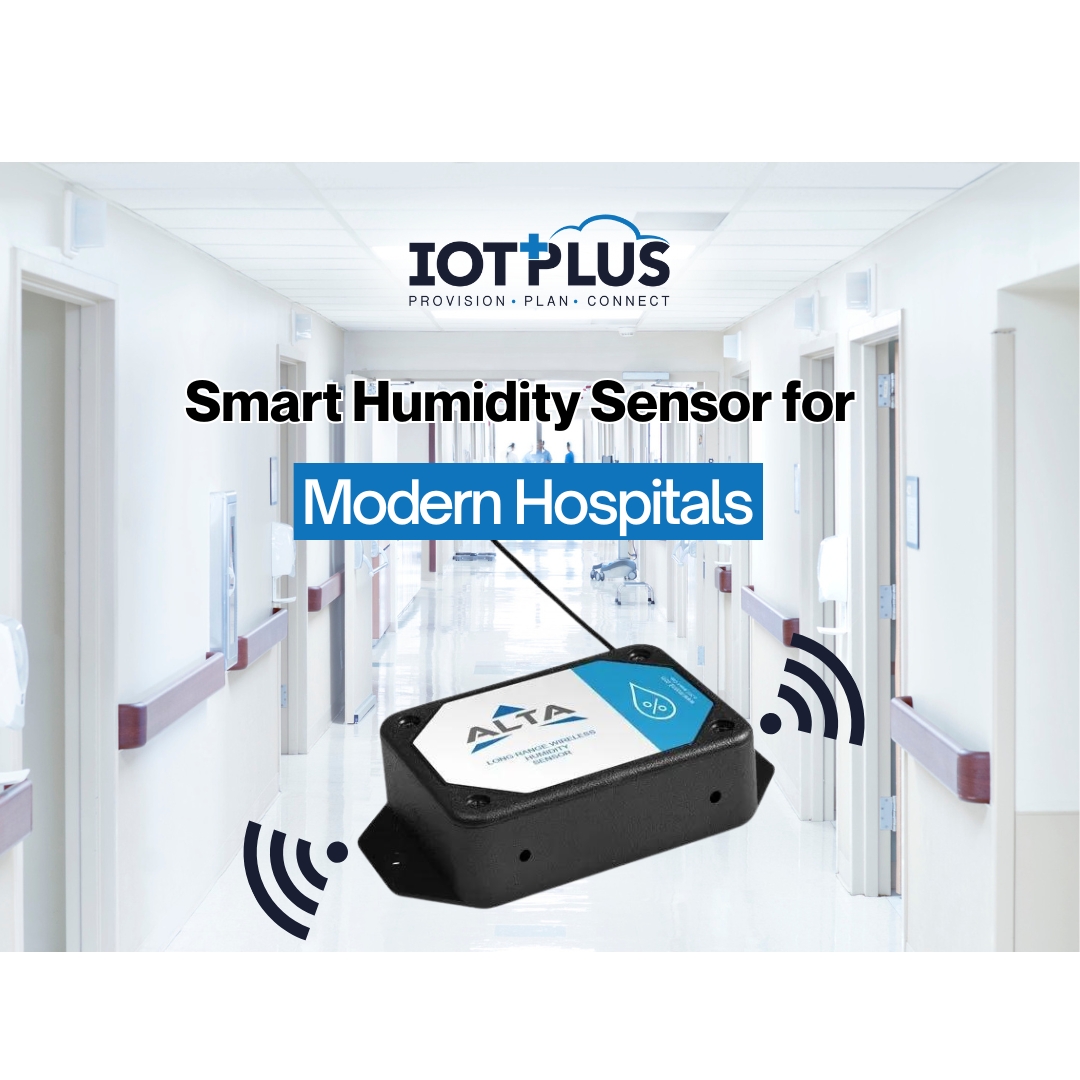
Pressure monitoring is essential across industrial operations, from manufacturing and HVAC systems to chemical processing and water management. Traditionally, wired pressure sensors have been the standard for collecting and transmitting pressure data. However, with the rise of IoT technology, wireless pressure sensors have emerged as a smarter, more flexible, and cost-effective solution.
Today, businesses are increasingly adopting wireless pressure monitoring systems to improve efficiency, reduce installation costs, and enable real-time insights. Companies like IOT PLUS explain and help industries upgrade from outdated wired systems to advanced wireless pressure sensors that offer greater reliability and mobility.
Let’s compare wireless vs traditional wired pressure sensors and explore why going wireless is becoming the clear choice for modern operations.

1. Installation Flexibility & Ease of Deployment
Traditional wired pressure sensors require complex installation processes, including cabling, trenching, and structural modifications. This increases both time and labor costs, especially in large industrial environments.
Wireless pressure sensors, on the other hand, offer plug-and-play installation. They can be placed anywhere without wiring limitations, making them ideal for remote, hazardous, or difficult-to-reach locations.
IOT PLUS helps businesses deploy wireless sensors effortlessly, ensuring optimal placement for maximum data accuracy.
2. Cost Efficiency Over Time
Wired sensors come with high upfront installation costs and ongoing maintenance expenses due to cable wear, electrical interference, and system downtime.
Wireless pressure sensors eliminate the need for wiring infrastructure, significantly lowering installation and maintenance costs. Their long battery life and durable design reduce operational expenses in the long run.
IOT PLUS explains how switching to wireless systems can save thousands in configuration, repairs, and long-term maintenance.
3. Real-Time Data and Remote Monitoring
Wired sensors often require local data collection systems, limiting real-time visibility and remote monitoring capabilities.
Wireless solutions use IoT connectivity to transmit pressure data directly to cloud dashboards. Operators can monitor trends, set automated alerts, and identify anomalies instantly—reducing risks, downtime, and failures.
Through cloud-based platforms, IOT PLUS helps organizations access real-time pressure data anytime, anywhere.
4. Reliability and Performance
In industrial environments, wired sensors may face challenges such as cable damage, interference, and difficult access during troubleshooting.
Wireless pressure sensors are designed to withstand harsh conditions and transmit data with high accuracy and reliability. Modern wireless systems use encrypted communication, ensuring secure and uninterrupted performance.
IOT PLUS explains how its wireless solutions maintain stable data flow even in demanding industrial operations.
5. Predictive Maintenance Capabilities
Wireless sensors enable predictive maintenance by continuously tracking pressure fluctuations and detecting early signs of equipment wear or leaks. This allows teams to address issues before they become critical failures.
Wired sensors can support predictive maintenance too, but integration is more complex and slower to scale.
IOT PLUS helps industries implement predictive analytics tools that turn wireless pressure data into actionable insights.
Conclusion
While traditional wired pressure sensors have served industries for decades, wireless pressure sensors offer superior flexibility, lower costs, easier installation, and advanced IoT-driven intelligence. Businesses seeking improved efficiency, safety, and scalability are increasingly choosing wireless solutions.
With advanced IoT-powered pressure monitoring technologies, IOT PLUS explains and helps organizations modernize their operations, enabling smarter decision-making, reduced downtime, and long-term reliability.