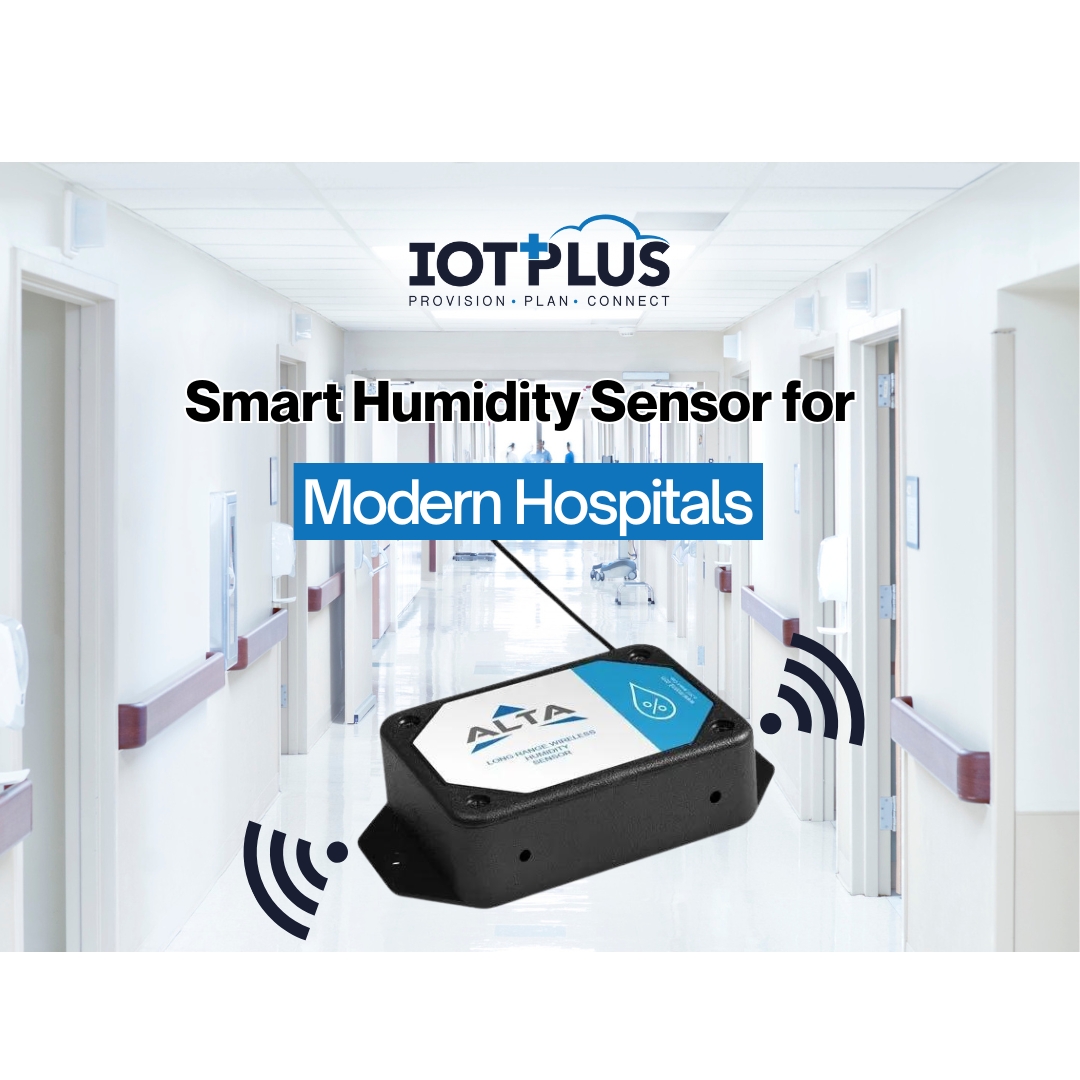
In modern industrial environments, safety, compliance, and real-time monitoring are more critical than ever. From manufacturing plants and chemical processing units to warehouses and commercial buildings, the risk of hazardous gas leaks can put workers, equipment, and operations at serious risk. That’s why wireless gas detection sensors have become a must-have technology for any industry prioritizing safety and efficiency.
These smart, IoT-enabled devices continuously monitor air quality, detect harmful gases, and send instant alerts—long before a hazard becomes dangerous. Companies like IOT PLUS explain and help businesses deploy reliable wireless gas detection systems that enhance workplace safety, reduce operational risks, and maintain compliance with industry regulations.
Below are the top reasons why wireless gas detection is essential for modern workplaces.

1. Real-Time Monitoring for Improved Safety
Traditional wired gas detection systems often require expensive installations and provide limited mobility. Wireless gas detectors, however, monitor critical areas continuously and transmit real-time data to cloud dashboards, mobile apps, or control rooms.
This instant visibility allows supervisors to respond immediately to gas leaks, preventing accidents, injuries, or equipment damage.
IOT PLUS helps organizations configure real-time alerts and dashboards so safety teams can make faster decisions in emergency situations.
2. Early Detection of Toxic and Flammable Gases
Many gases—like carbon monoxide, methane, LPG, or hydrogen sulfide—are odorless and invisible. Without early detection, they can accumulate silently and create dangerous conditions.
Wireless gas detection sensors ensure:
-
Quick identification of hazardous gases
-
Automated alarms before concentrations reach dangerous levels
-
Increased response time to evacuate or isolate affected areas
IOT PLUS explains the types of gases that each industry must monitor and guides businesses in selecting the right sensors.
3. Easy Installation with No Complex Wiring
One of the biggest advantages of wireless systems is their simple installation. Wireless gas detectors require no complicated wiring, making them ideal for:
-
Remote sites
-
Temporary job locations
-
Multi-level facilities
-
Hazard-prone or restricted areas
This flexibility enables quick setup and reduces installation costs significantly.
4. Reduced Maintenance and Lower Operational Costs
Wired systems often require routine cable inspections, repairs, and replacements. Wireless gas detectors operate with long-lasting batteries and self-monitoring capabilities, reducing maintenance needs.
With automated system health checks and remote diagnostics, facility managers save time and avoid unexpected downtime.
IOT PLUS helps businesses streamline their maintenance plans using smart IoT data insights.
5. Seamless Integration with Industrial IoT Platforms
Modern industries rely on interconnected systems for safety and efficiency. Wireless gas detection sensors easily integrate with:
-
IoT dashboards
-
SCADA systems
-
Building management systems (BMS)
-
Predictive maintenance platforms
This integration ensures centralized monitoring and better decision-making.
IOT PLUS explains how to integrate these systems for maximum visibility and data-driven safety improvements.
6. Enhanced Worker Safety and Regulatory Compliance
Regulatory bodies require industries to maintain strict gas safety protocols. Wireless gas detection ensures compliance by providing:
-
Continuous monitoring records
-
Automated reporting
-
Permanent data logs for audits
This minimizes liability and enhances workplace trust.
Conclusion
Wireless gas detection is no longer optional—it’s a critical component of modern industrial and workplace safety. With real-time alerts, easy installation, cost savings, and seamless integration, wireless gas sensors help prevent accidents and protect lives.
IOT PLUS explains and helps businesses design, install, and manage smart wireless gas detection systems tailored to their industry needs, ensuring safer operations and long-term reliability.