In the logistics and transportation industry, security is one of the biggest challenges. Goods in transit are vulnerable to theft, damage, unauthorized access, and tampering, leading to significant financial loss and customer dissatisfaction. Traditional security methods often fail to offer real-time visibility, making it difficult to respond quickly to incidents. Fortunately, sensor-based logistics security powered by IoT (Internet of Things) is transforming how companies protect cargo during transit. Companies like IoT PLUS provide smart sensor solutions that offer live monitoring, instant alerts, and complete transparency across the supply chain. Let’s explore how IoT sensors prevent theft, damage, and tampering—and how IoT PLUS explains and helps every step of the way.

1. Real-Time Location Tracking
One of the biggest risks in logistics is losing track of shipments. IoT-enabled GPS and motion sensors track the exact location of goods throughout the journey. If a vehicle takes an unauthorized route or stops unexpectedly, alerts are triggered instantly.
IoT PLUS helps with real-time tracking dashboards that provide complete route visibility and prevent shipment loss.
2. Tamper Detection with Smart Sensors
Unauthorized access to containers or packages often goes unnoticed until delivery. IoT sensors can detect door openings, seal breaks, vibrations, or forceful entry. If tampering occurs, alerts are sent to operators in real time.
IoT PLUS explains how open/close sensors and vibration sensors can detect suspicious activity and notify authorities immediately.
3. Environmental Monitoring (Temperature & Humidity)
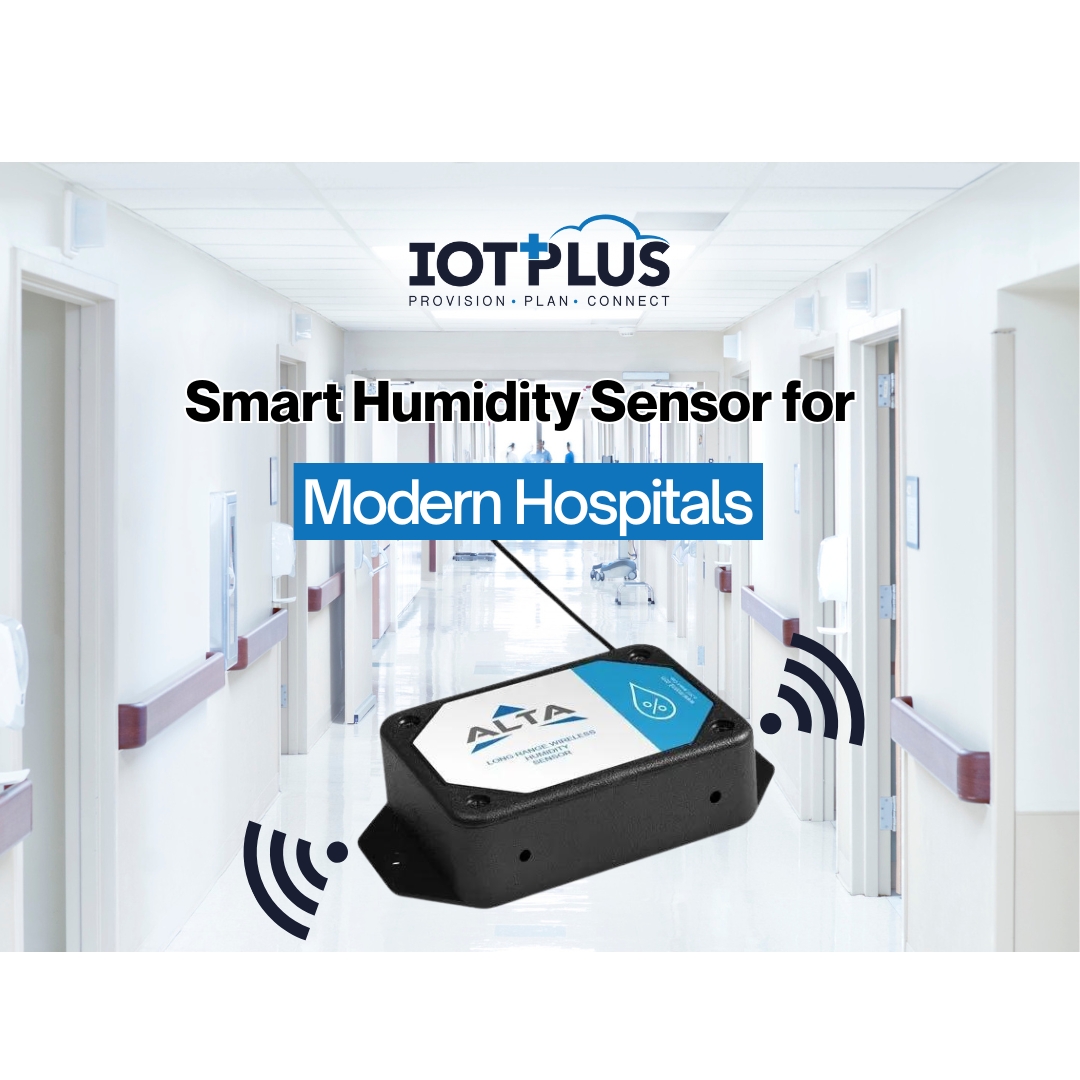
Sensitive goods such as food, pharmaceuticals, and electronics require stable environmental conditions. IoT sensors monitor temperature, humidity, and air quality to prevent damage during transit.
IoT PLUS helps by providing environment sensors that ensure products remain within safe conditions throughout transport.
4. Shock and Impact Detection
Rough handling or accidents can damage valuable cargo. Shock and impact sensors detect sudden movements, drops, or collisions and record the exact time and location.
IoT PLUS explains how impact data helps logistics companies identify responsibility and improve packaging and handling processes.
5. Geo-Fencing for Route Security
Geo-fencing technology creates virtual boundaries around approved routes or delivery zones. If a vehicle travels outside the predefined route, alerts are triggered immediately.
IoT PLUS helps prevent cargo theft by enabling smart geo-fencing and route compliance monitoring.
6. Power and Equipment Monitoring
Logistics vehicles rely on cooling systems, sensors, and tracking devices. IoT sensors monitor power supply, battery status, and generator performance to ensure uninterrupted operations.
IoT PLUS offers voltage and power monitoring sensors to avoid system failures during transit.
7. Data Logging and Compliance
Sensor-based monitoring creates accurate records of environmental data, location, and handling conditions. This ensures regulatory compliance, insurance claims support, and customer transparency.
IoT PLUS helps with automated data logs and cloud storage for easy reporting and audits.
Conclusion
Sensor-based logistics security is revolutionizing the transportation industry by offering real-time tracking, tamper detection, environmental monitoring, route protection, and automated alerts. These technologies help companies prevent theft, reduce damage, maintain product quality, and build trust with customers.
With advanced sensor solutions, IoT PLUS explains and helps logistics providers secure cargo, monitor conditions in transit, detect threats instantly, and make data-driven decisions. By integrating IoT sensors into logistics operations, businesses can achieve safer, smarter, and more efficient supply chains—protecting assets every step of the way.